Monmouth County Marriage & Divorce Records provide official verification of marital events filed with county and state authorities in New Jersey. These include marriage licenses, certified marriage certificates, and divorce decrees issued by the Monmouth County Clerk and Family Court. They serve as legal documentation for name changes, court proceedings, and genealogical research. These records are preserved permanently under New Jersey public records regulations. Certified copies are often required for formal transactions or legal purposes.
Marriage and divorce files document the legal status of couples and the outcomes of family court cases in Monmouth County Court. Individuals, attorneys, and researchers rely on these records for court filings, historical inquiries, and official verification. They form part of the county’s vital records system, maintained with accuracy and integrity. Access is regulated to protect privacy while ensuring legal compliance. These records provide authoritative proof of marital status recognized statewide.Family Court
How Monmouth County Handles Marriage and Divorce Records
Marriage and divorce records in Monmouth County serve as official documentation of family events. These records provide legal proof of marital status and are maintained by county offices for civil and judicial purposes.
Marriage and divorce records are part of vital records that track significant life events. Marriage certificates confirm that two individuals are legally united, while divorce records document the legal dissolution of a marriage. These documents are important for tasks such as name changes, updating identification, claiming benefits, or verifying family relationships.
Types of Records: Administrative vs. Judicial
Monmouth County maintains two main categories of family law records:
- Administrative Records: These are issued by county clerks and include marriage licenses, marriage certificates, and divorce decrees. Administrative records primarily serve civil purposes, providing proof for official, legal, or personal matters.
- Judicial Records: These are court-generated documents related to divorce proceedings, child custody arrangements, or legal separations. Judicial records may include filings, court orders, and judgments issued by the Monmouth County Family Court.
Administrative and judicial records often overlap. For example, a finalized divorce requires a court order (judicial) and is recorded as an official decree by the county (administrative).
Purpose and Legal Importance
Marriage and divorce records exist to provide verifiable legal evidence of marital status. They help in:
- Establishing eligibility for marriage or remarriage
- Settling property, inheritance, or insurance claims
- Supporting legal name changes
- Providing proof of marital status for employment or government forms
These records also ensure public accountability by maintaining a permanent and accurate record of family law matters.
How They Are Maintained
The Monmouth County Clerk’s Office stores marriage and divorce records in secure physical and digital formats. They may include details such as:
- Names of the parties involved
- Date and place of marriage or divorce
- Officiating authority or presiding judge
- Any legal notes or conditions tied to the record
Records are preserved to comply with state regulations and to provide a reliable reference for legal or civil needs.
How to Search Monmouth County Marriage & Divorce Records
Searching Monmouth County Marriage & Divorce Records is straightforward when following official procedures. Users can access records online or in person, depending on the type of record and the level of detail required.
How to Search Court Records
The first step is identifying the type of record needed—marriage or divorce filings. For marriage records, the Monmouth County Clerk maintains official records, while divorce records are housed at the Family Division of the Superior Court.
Users should have:
- Full names of the parties involved
- Approximate date or year of the marriage/divorce
- Location or municipality
Search methods include:
- Online Records Search: Use official portals to quickly locate basic record information.
- Public Case Lookup: Allows viewing divorce case summaries and procedural details.
- In-Person Requests: For records not available online or for certified copies.
Online Access Options
Users can search Monmouth County marriage and divorce records through official online portals. The Monmouth County Clerk provides marriage records, while the Superior Court Family Division offers divorce filings. Basic information is free, and certified copies are available for a small fee. Having full names, dates, and locations ready makes the search faster and more accurate.
Marriage Records Online
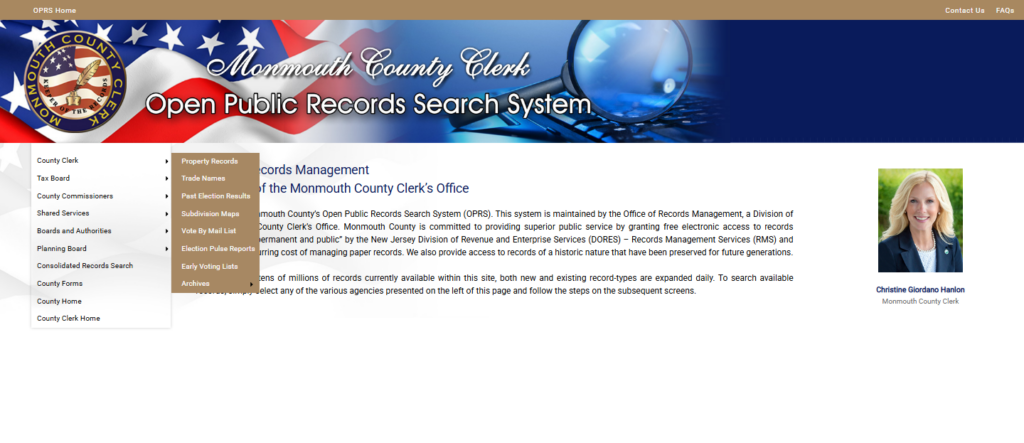
- Open the official search page:
https://oprs.co.monmouth.nj.us/oprs/index.aspx - Use the left-side menu to select Marriage Records or Historic Records (for older marriages)
- Enter the required details:
- First Name
- Last Name
- Year (if available)
- Search results will appear after submission
- Click a record to view available details
- Some records are viewable online
- Certified copies may require a request or fee
- Older marriage records may be listed under Archives or Historical Records
- Recent marriage certificates are handled by New Jersey Vital Records
- Access Type: Free for basic information; certified copies require a fee
- Cost: $15–$20 per certified copy (subject to change)
Divorce Records Online
- Visit the official New Jersey Courts website at https://www.njcourts.gov/courts/family
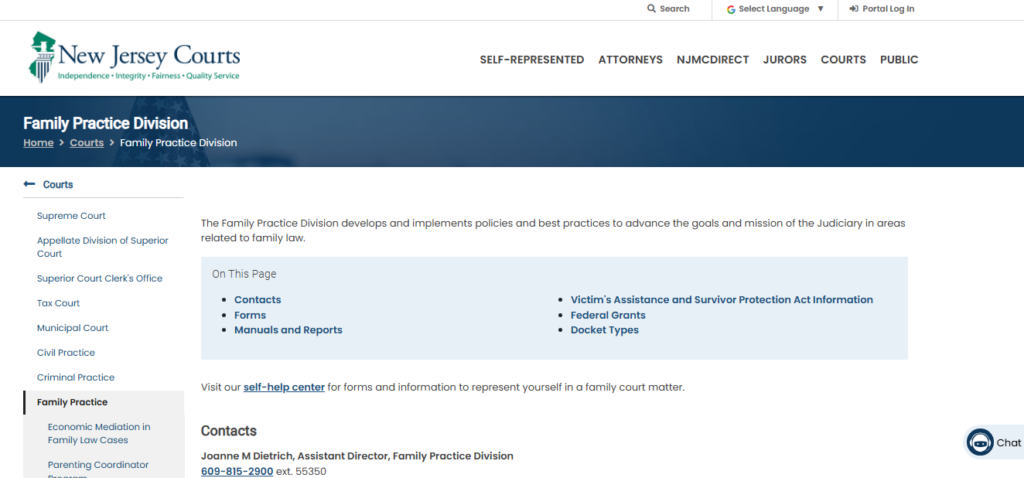
- Click Portal Log In on the homepage to open the court services portal.
- At the top of the page, select Attorney Search (njcourts.gov).
- Enter the attorney’s name or license number to begin your search.
- Review the results to view attorney details and current status.
- Cost: $5–$10 for downloadable documents; certified copies $20–$25
In-Person Record Searches
For detailed review or official certified copies:
- Location: Hall of Records, 1 East Main Street, Freehold, NJ 07728
- Office Hours: Monday–Friday, 8:30 a.m.–4:30 p.m.
- Requirements: Government-issued photo ID, completed request form
- Fees: $15–$25, depending on the document type and certification
Monmouth County Marriage Records Explained
Marriage records in Monmouth County are official documents that record legal marriages within the county, providing proof of a couple’s legal union and serving as vital records maintained by the county authorities.
What Are Marriage Records in Monmouth County?
Marriage records in Monmouth County are official vital records documenting marriages and giving legal recognition to unions under New Jersey law. Maintained by the Monmouth County Clerk’s Office, these records are used for legal verification, spousal benefits, name changes, inheritance claims, and historical or genealogical research. They form part of the county’s vital records system, ensuring that every marriage is properly recorded and accessible for authorized purposes.
Marriage Licenses vs Marriage Certificates
Marriage records in Monmouth County include marriage licenses, issued before the wedding as official permission to marry, and certified marriage certificates, issued after the marriage as proof that the union occurred. Licenses are valid for a limited period and are required before the ceremony, while certificates are necessary for legal, financial, and personal matters such as name changes, insurance, and tax filings. Both are obtained from the Monmouth County Clerk’s Office and together ensure marriages are legally documented.
Information Contained in Marriage Records
Marriage records typically list the full names of both spouses, the marriage date, the ceremony location, the officiant, the witnesses, and the license number, with some records including prior marital status, age, or occupation. These details help maintain the integrity of the records, provide legal verification, and support personal documentation or family research. Monmouth County’s vital records system ensures all marriages are accurately recorded and preserved for official and authorized use.
How to Access Marriage Records in Monmouth County
Marriage records in Monmouth County are maintained by the county clerk and can be requested by eligible individuals. Both certified and informational copies are available, with specific timeframes depending on the date of the marriage.
Who Maintains Marriage Records
The Monmouth County Clerk’s Office is responsible for maintaining all official marriage records. These records include:
- Marriage certificates issued in the county
- Licenses and applications filed with the clerk
- Historical records dating back several decades
The clerk ensures that records are accurately stored and are available for public record access in accordance with New Jersey state law.
Eligibility to Request Copies
Marriage records can be requested by:
- The married couple listed on the record
- Immediate family members such as parents, siblings, or legal guardians
- Authorized legal representatives with proper documentation
Public access rules differ depending on whether the record is recent or older. For example, marriages filed within the past 50 years may have limited access compared to older records.
Certified vs Informational Copies
When requesting a marriage record, individuals can choose between:
| Copy Type | Purpose | Legal Use |
|---|---|---|
| Certified Copy | Official record with seal | Legal matters, name changes, insurance claims, government agencies |
| Informational Copy | Unofficial version for reference | Personal research, genealogy, or family history purposes |
Certified copies carry the signature and seal of the clerk, making them legally valid. Informational copies do not hold legal authority but are useful for personal use.
Timeframes and Historical Access
The timeframe for record requests depends on the year of the marriage:
- Recent marriages (within the last 50 years): Typically require proof of eligibility and may be subject to restricted access.
- Older marriages: Often fully accessible to the public, with some archived records available only in physical format.
The clerk’s office may provide guidance for records dating back to the early 1900s, and some historical records may need special handling or research requests.
Record Request Process
The process for obtaining marriage records includes:
- Identify the record type (certified or informational)
- Prepare identification (photo ID or legal authorization)
- Submit a request through the Monmouth County Clerk’s Office via:
- In-person visit
- Official online portal, if available
- Pay applicable fees, which vary by copy type and delivery method
- Receive the record via mail or in person
Using the clerk of records’ contact information and forms helps streamline the process and ensures requests meet county requirements.
Official Divorce Records in Monmouth County
Divorce records in Monmouth County document the legal process of ending a marriage, from the initial filing to the final decree, and are maintained by the county courts, including the Family Court, as part of official family law records. The Family Court oversees matters such as child custody, support, and property division, ensuring that all proceedings follow established legal procedures. These records serve as proof of marital dissolution, detailing court decisions regarding property division, alimony, child custody, and support, and provide a reliable reference for individuals, legal professionals, and agencies.
What Are Divorce Records and Divorce Filings?
Divorce filings in Monmouth County are the initial legal documents that start the divorce process, outlining grounds for dissolution and requests for custody or support, while a divorce decree is the court’s final judgment that legally ends the marriage and confirms decisions on property, alimony, and child custody. Filings reflect initial claims, decrees document the court’s rulings, and both are maintained to ensure transparency and enforceability of court orders.
Family Court & Jurisdiction in Monmouth County
Divorce cases in Monmouth County are handled by the Superior Court, Family Division, which oversees matters like custody, support, and property division, ensuring that all divorce filings and decrees comply with state law. Filing in the correct jurisdiction is necessary for legal enforceability, and the court maintains comprehensive family law records that track petitions, judgments, court orders, and ongoing compliance with visitation or support arrangements.
Information Included in Divorce Records
Monmouth County divorce records provide a complete account of the dissolution of marriage, including spouse names, marriage date, grounds for divorce, court judgments, custody arrangements, visitation schedules, and support obligations. Some records also include settlement agreements incorporated into the final decree, along with filing dates and court orders, creating an accurate legal timeline and permanent reference for future personal, financial, or legal matters.
How to Find Divorce Filings in Monmouth County
Divorce filings in Monmouth County can be checked through the county’s court system, which maintains records of cases and their status. Certain information is public, while some details remain restricted to protect privacy.
Finding divorce filings in Monmouth County starts with understanding what information is available and how it is organized. The Monmouth County Superior Court handles divorce cases, and records include case numbers, parties involved, filing dates, and final judgments. Citizens can search for court records to verify the status of a case or to obtain legal documentation, though personal details like financial settlements are often confidential.
Case Lookup Basics
Anyone interested in divorce filings in Monmouth County can begin by consulting the court’s online case search tools or visiting the Family Division in person. Key points include:
- Case Number: Each divorce case is assigned a unique number for tracking.
- Parties Involved: Names of spouses are listed; sometimes only initials appear in sensitive cases.
- Filing Date: Shows when the divorce was officially filed.
- Case Status: Indicates whether a case is active, closed, or pending appeal.
Online tools allow users to perform basic searches using party names or case numbers. This can help identify whether a divorce has been filed and its current stage.
Public vs Restricted Divorce Information
Not all divorce details are visible to the public. Monmouth County limits access to protect personal and financial privacy.
Generally, the following information is public:
- Case numbers and titles
- Filing dates
- Basic status updates
- Court-issued orders and judgments
Restricted information often includes:
- Financial records
- Child custody arrangements
- Settlement agreements
Courts maintain strict rules to ensure sensitive data remains secure, and requests for restricted documents usually require legal justification or a formal petition.
Time Limitations on Access
Divorce filings in Monmouth County have specific retention timelines. While basic case information is often available indefinitely, some detailed records may be archived or require a formal request for retrieval.
Typically:
- Active or recent cases: Accessible immediately via online search or court clerk.
- Closed cases older than 20–30 years: May require an in-person visit or a written request to the court archives.
Being aware of these limitations helps manage expectations when searching for historical filings.
Are Marriage & Divorce Records Public in Monmouth County?
Marriage and divorce records in Monmouth County are considered public records, but access varies depending on the type of information requested. Certain personal details are restricted to protect privacy, while basic information is available to the general public.
Public Access and Privacy Laws
Monmouth County maintains marriage and divorce documents as part of New Jersey vital records. Marriage licenses and divorce decrees are stored at the County Clerk’s Office, and some details can be viewed by anyone.
Examples of publicly accessible information include:
- Names of the spouses
- Date and place of marriage or divorce
- Filing number or case reference
However, sensitive personal details such as Social Security numbers, financial settlements, or custody arrangements are restricted to protect privacy. This distinction ensures that the public can confirm marriages or divorces while keeping private data secure.
Who Can Request Detailed Records
Certain individuals and entities have broader access beyond the general public:
- Spouses or immediate family members: May obtain certified copies for legal or personal purposes.
- Legal professionals: Attorneys can request documents for court proceedings or legal verification.
- Government agencies: Require records for official matters such as taxation or benefits verification.
Requests typically require proper identification, and some may involve a small fee for certified copies. Digital access through the county’s online portal may provide search options for basic record information.
Reasons for Restricted Details
Some information is deliberately withheld to prevent misuse or identity theft.
Restrictions often include:
- Social Security numbers or tax identifiers
- Private financial agreements are included in divorce records
- Details concerning minor children
These safeguards are part of New Jersey’s vital records laws and balance public transparency with individual privacy rights.
Certified vs Informational Copies – What’s the Difference?
Certified and informational copies of marriage and divorce records serve different purposes, and each carries distinct legal weight. A certified copy is an official document accepted for legal matters, while an informational copy provides the same details for personal reference or research. Certified copies are issued with a raised seal or official stamp, verifying the record as an accurate representation of the original. These copies are legally recognized and can be used in identity verification, name changes, passport applications, and court proceedings. For example, someone applying for a new passport or changing their last name after marriage must present a certified copy to prove their marital status.
Informational copies, by contrast, are meant primarily for personal use or genealogical research. They include the same details as a certified record—such as names, dates, and locations—but lack official certification, meaning they are not accepted by government agencies or for legal transactions. Individuals often request informational copies to track family history, confirm ancestry, or keep personal records.
Key Differences at a Glance:
| Feature | Certified Copy | Informational Copy |
|---|---|---|
| Legal Proof | Yes | No |
| Official Use | Required for legal matters | Not accepted for official purposes |
| Identity Verification | Valid for passports, licenses, name changes | Not valid |
| Purpose | Legal transactions, court filings | Personal reference, genealogy |
Both copies are accessible through Monmouth County Vital Records, but the intended use determines which type should be requested. Certified copies carry legal authority, whereas informational copies provide convenience without legal weight.
Historical & Genealogical Marriage and Divorce Records
Historical and genealogical marriage and divorce records in Monmouth County provide valuable insights into family histories and community developments. These records often date back to the 19th century and can serve as critical resources for researchers and genealogists.
Older records are typically preserved in county archives, local libraries, and state repositories. They include marriage licenses, certificates, divorce decrees, and related documentation. These records can reveal details such as names of spouses, dates of marriage, parental information, and occasionally, causes of divorce. For those tracing family trees, such records are often indispensable.
Availability of Older Records
Monmouth County maintains archival records that can extend back over 150 years. Key sources include:
- County Clerk’s Office: Holds official marriage licenses and divorce filings.
- Historical Societies: Preserve early registers and newspaper announcements.
- Libraries and Digital Collections: Some older records have been digitized for easier access.
Researchers should note that some very early records may be incomplete or stored only in physical form, requiring in-person review or requests.
Research Value for Genealogy
Historical records support genealogical research in several ways:
- Family Lineage Verification: Confirms relationships and family connections.
- Contextual Insights: Offers information about social norms, occupations, and residences.
- Cross-Referencing: Can be combined with census records, obituaries, and church registers to create a fuller family picture.
These records are also valuable for academic studies of local demographics, social changes, and historical trends in marriage and divorce rates.
Archival Sources and Tips
For those interested in detailed research, these sources are particularly useful:
- Monmouth County Historical Association: Holds rare books, manuscripts, and early record indexes.
- New Jersey State Archives: Offers microfilm and online collections of older marriage and divorce records.
- Local Newspapers: Announcements and legal notices often complement official documents.
Using these sources, researchers can reconstruct family histories with a higher degree of accuracy. Maintaining a careful record of references and cross-checking data ensures reliable genealogical outcomes.
Common Reasons People Search Marriage & Divorce Records
People search Monmouth County marriage and divorce records for various legal, personal, and administrative purposes. These records serve as official documentation for confirming marital status and verifying family history.
Legal Confirmation and Verification
One of the most frequent reasons for accessing these records is legal confirmation. Attorneys, lenders, or government agencies often require proof of marriage or divorce to resolve legal matters.
For example:
- Property or inheritance claims: Verifying spouses or former spouses ensures proper legal rights.
- Name changes: Court or government offices may request official records to confirm identity changes.
- Alimony or child support: Legal entities often check marital status to validate claims.
These records provide a reliable and official source for family law verification, reducing the risk of errors or fraudulent claims.
Family Research and Genealogy
Many individuals access vital records to trace their family history. Genealogists and family historians often rely on marriage and divorce documents to build accurate family trees.
Benefits include:
- Establishing ancestral connections and lineage
- Verifying dates and locations of life events
- Understanding historical family structures in Monmouth County
By using these documents, researchers can ensure accurate family documentation and gain insights into generational patterns.
Administrative and Personal Record Checks
Other common uses include record verification for personal or administrative purposes:
- Employment or background checks: Some employers require marital history confirmation for certain roles.
- Insurance or benefit claims: Verification of marital status may impact eligibility for policies or benefits.
- Personal record keeping: Individuals may simply want to maintain copies of official documents.
These records act as a trusted source for confirming facts about marital history, offering peace of mind for legal or personal matters.
Monmouth County Marriage & Divorce Records Office Locations
Residents can request marriage records from Monmouth County and divorce filings from Monmouth County at official county offices in Freehold and nearby towns like Neptune Township, Red Bank, and Colts Neck. These offices provide certified copies and guidance for public records access.
Monmouth County Clerk’s Office – Marriage Records
Location & Contact
- 33 Mechanic St, Market Yard, Freehold, NJ 07728
- Phone: (732) 431‑7324
- Hours: Monday–Friday, 8:30 AM–4:30 PM
Services
- Marriage licenses and certified copies
- Informational copies for personal use
- Walk-in and mail requests accepted
Monmouth County Superior Court – Divorce Records
Location & Contact
- 71 Monument St, Freehold, NJ 07728
- Phone: (732) 358‑8700
- Hours: Monday–Friday, daytime court hours
Services
- Divorce filings, docket entries, and certified judgments
- Requests can be made in person or in writing
- Serves all Monmouth County municipalities
(FAQ) About Marriage & Divorce Records
Monmouth County marriage and divorce records are generally available to the public with some restrictions, depending on the type of record. While many records are accessible, certain documents—especially divorce filings—may have privacy limitations that require special permissions.
How long does it take to get marriage or divorce records?
Most marriage and divorce records in Monmouth County can be obtained relatively quickly, but processing times vary. Marriage certificates filed with the Monmouth County Clerk’s Office are often ready within three to five business days when requested by mail, and in-person requests can sometimes be completed the same day. Divorce records, particularly older filings or documents with restricted information, may take longer because they are archived in the Superior Court. Online requests typically require five to ten business days, depending on request volume and staff availability.
Are divorce records sealed in Monmouth County?
Divorce records in Monmouth County are partially restricted to protect privacy. Standard divorce judgments are generally public, but sensitive documents such as financial affidavits, custody agreements, or certain court filings may be sealed. Access to these restricted documents usually requires a formal request or court permission. This ensures that confidential personal information remains protected while still allowing the public to verify the outcome of the divorce.
Can marriage and divorce records be searched online?
Some Monmouth County records are searchable online, but access depends on the type and age of the document. The Monmouth County Clerk’s Office offers online tools to search for marriage certificates and select divorce filings. Users can search using names and approximate dates, but older records or detailed divorce documents may require an in-person visit or mail request. Ensuring you are using the official county portal avoids third-party fees and helps locate records more efficiently.
What information is required to request a record?
Requesting a marriage or divorce record requires specific details to ensure accuracy and timely processing. Typically, this includes the full names of both parties, the approximate date of the marriage or divorce, and the type of record requested. Providing contact information for mail or email delivery is also necessary. Some requests, particularly for marriage certificates, may require proof of identification to confirm eligibility, ensuring that only authorized individuals can obtain sensitive information.
Can anyone request Monmouth County marriage or divorce records?
Access to marriage and divorce records in Monmouth County depends on the type of record and the requester’s relationship to the parties. Marriage certificates are generally public, so most individuals can request copies. Divorce records, however, may have restricted sections, and some documents are only available to the parties involved, their legal representatives, or others with court approval. Requesting these records usually requires submitting proper identification and accurate details to ensure the correct files are retrieved.